Photon製品
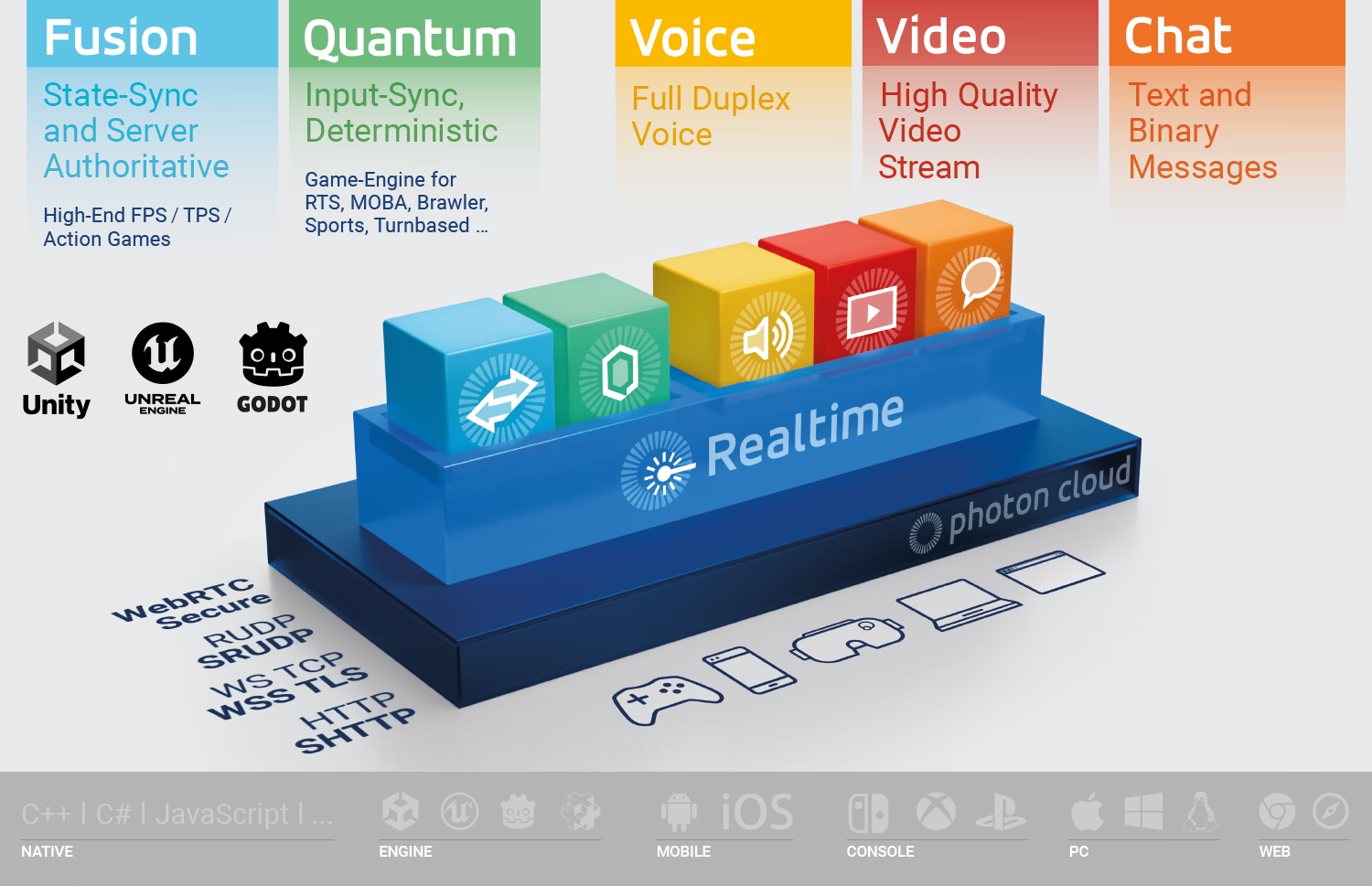
ゲームプレイの品質やパフォーマンスを最大限に引き出しつつ、運用コストを最小限に抑えるためには、マルチプレイヤーのジャンルに合わせた機能セットとアーキテクチャが必要です。Photon FusionとQuantumは、それら要件を満たす豊富な機能を備えたSDKとなっていて、モバイル・PC・コンソール・Web・XR・次世代スマートグラスなど向けのアプリが開発可能です。
Photon VoiceとChatは、近代ゲームにおけるコミュニケーション面をカバーし、PhotonのマルチプレイヤーSDKを補完します。
各製品の詳細情報については、関連するドキュメントをご覧ください。
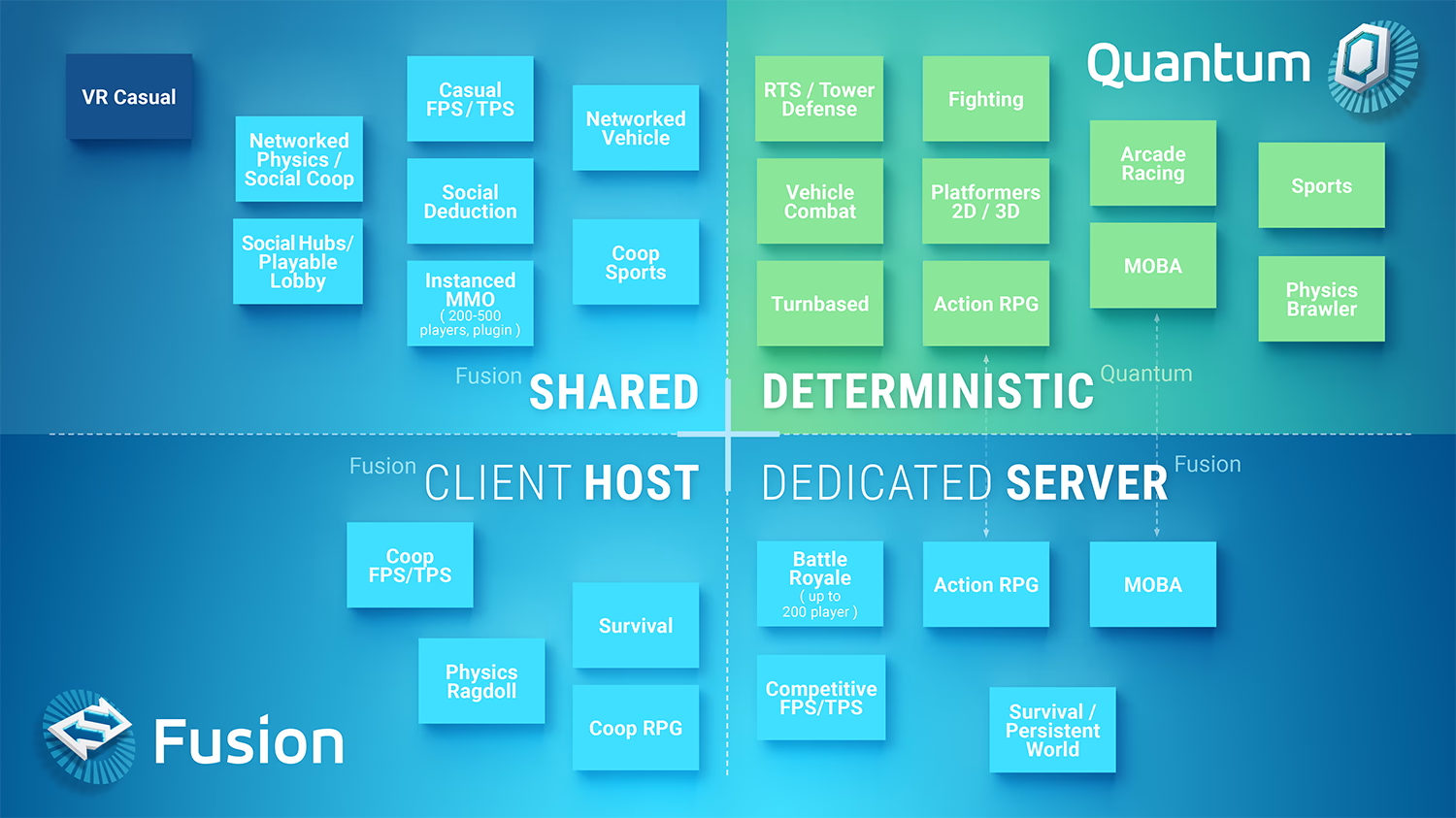
製品選択ガイド(Quadrant) - 適切なSDKを選択する方法
ゲームを制作するにあたり、FusionとQuantumのどちらを選択するかを判断できるようにするため、製品選択ガイド(Quadrant)を作成しました。ここには、マルチプレイヤーゲームを構築するためのトポロジーが4つ示されています。
適切なトポロジーは、まずゲームプレイを基準にして選択しましょう。また、対象プラットフォームやリリース後の運用コストも考慮しましょう。Photon自体のコストは、すべてのトポロジーで同じですが、専用サーバーを稼働させる場合は、サードパーティーのサーバーオーケストレーションが必要になるため、追加コストが発生します。
| トポロジー | メリット | デメリット | ゲームの事例 |
|---|---|---|---|
| 共有権限 Fusion 共有モード |
あらゆるプラットフォームに対応し、モバイル・Webに最適です。コストパフォーマンスに優れます。(Enterprise Cloudの場合)チート対策やカスタムサーバーサイドコード用のプラグインが使用できます。 | チートのリスクがあるため、競技性の高いゲームや、eスポーツには不向きです。 | Peak R.E.P.O. Polygun Arena Ratchet & Clank: Ranger Rumble |
| 決定論的予測/ロールバック Photon Quantum |
あらゆるプラットフォームに対応し、モバイル・Webに最適です。運用しやすく、コストパフォーマンスに優れます。フレーム単位で完全な同期を求められるeスポーツに対応、Bot SDKを備え、チートにも強いです。(Enterprise Cloudの場合)チート対策やカスタムサーバーサイドコード用のプラグインが使用できます。 | 各クライアントが「完全情報」を持ちます。 | Stumble Guys No Rest for the Wicked Lucky Defense Windblown World War Armies |
| 専用サーバー Fusion サーバーモード |
柔軟にカスタマイズ可能な高性能なUnityヘッドレスビルドをセルフホスティング可能で、Photon Cloudをリレーとして使用できます。チートに強いです。 | 外部オーケストレーションサービスによる運用は、複雑かつ高コストとなり、モバイルF2PやWebでは問題になりやすいです。 | Prime Rush Breachers |
| クライアントホスト Fusion ホストモード |
コストパフォーマンスに優れ、運用しやすく、高品質なゲームプレイが可能です。 | 接続が不安定なため、モバイルには不向きです。ホスト環境やリレー接続の影響により、ゲーム品質が不安定になります。チートのリスクがあります。 | Among Us 3D Davigo |
さらに詳細な情報については、Fusionの適切なトポロジーの選択をご覧ください。
Fusion - 高性能な状態同期
Fusionは、最高水準のマルチプレイヤータイトルに必須となる6つの機能を、すべてのトポロジーで提供します。
物理予測(Forecast Physics)
完全な物理シミュレーションを行うことなくリアルタイムインタラクションを実現することで、CPU負荷を大幅に削減します。
一貫したゲーム時間
すべてのクライアント間で高精度に時間を同期し、一貫したゲームプレイを実現します。時間に依存するシステムも容易に扱えます。
高性能
100以上のクライアント接続、1000以上のネットワークアクターを処理可能で、複雑なインタレストマネジメントにも対応します。
状態レプリケーション
Photon Cloud上で、高性能な状態配信が行われます。オブジェクト単位の完全な整合性、インタレストマネジメント(AOI)、オプションでサーバーサイド検証を提供します。
リモートレンダリング
ネットワークが不安定でも、リモートのプレイヤー/オブジェクトをスムーズに表示します。
カスタムサーバープラグイン(Fusion 共有モード)
サーバーサイドロジック(検証・ルール・セキュリティなど)のオプションです。専用サーバーを運用せずに権限を追加できます(Enterprise Photon Cloudのみ)。規模が拡大していくゲームを、ハッキングや不正から保護するための主要コンポーネントになります。
対応エンジン
Fusionは主要なゲームエンジンに対応しています。
Fusion 共有モードは、共有権限やプラグインを持たないあらゆるゲームエンジンに新しい選択肢を提供します。
| ゲームエンジン | トポロジー |
|---|---|
| Fusion for Unity | 共有・クライアントホスト・専用サーバー |
| Fusion for Unreal | 共有 - アーリーアクセス |
| Fusion for Godot | 共有 - アーリーアクセスについてはお問い合わせください |
Quantum - 決定論的予測/ロールバックゲームエンジン
Quantumは、Unityで超低遅延のマルチプレイヤーゲームを構築するための、完全な決定論的ゲーム開発スタックを提供します。 Fusionのような状態同期モデルとは異なり、Quantumは決定論的予測/ロールバックアーキテクチャを採用しています。オブジェクト状態のかわりにプレイヤー入力のみを送信し、すべてのクライアント上でゲームシミュレーションが完全に同期されることを保証します。 Quantumは、異なるCPUアーキテクチャ間でゲームロジックが同一に動作することが保証されるため、クロスプレイ対応タイトルに公平な対戦環境を提供できます。
ネットコード不要 - 決定論的シミュレーション
ゲームロジック(シミュレーション)と、ゲームエンジンのレンダリング(ビュー)は分離されます。これによってQuantumは、すべての端末上で同じ入力でまったく同じ結果になることが保証されます。そのため、手動で同期のネットコードを記述する必要はありません。
ローカル物理演算の操作性 - 予測/ロールバック技術
ローカルのアクションを即座に予測し、ネットワーク上で競合が検知された場合は自動的にロールバック/再シミュレーションするため、「ラグを感じさせない」プレイヤー体験が実現できます。
高性能ECS
速度を追求したフレームワークで、メモリアライメントされた「ピュアC#」のECSを採用しています。標準的なマネージドコードのオーバーヘッドを回避することで、モバイル端末でも1000以上のエンティティ同期や複雑な物理演算が可能です。
チート保護 - 専用サーバーなしでチート対策
シミュレーションはすべてのクライアント間で確定し、オプションでサーバーサイドプラグインも利用可能なため、「ステート・インジェクション」チート(体力や速度の値の改ざんなど)は、決定論的エンジンによって根本的に排除されます。
PUN(Photon Unity Networking) - レガシー状態同期
PUN 2は、メンテナンス/LTSモードになっていて、一部の修正を除き、今後の機能アップデートは予定されていません。既存のPUN 2プロジェクトは引き続き動作しますが、新規プロジェクトにはFusion/Quantumを検討してください。
Photon Realtime
Photon Realtimeは低水準APIで、複数のプラットフォームに対応するSDKとして利用可能なクロスプラットフォームネットワーキングエンジンです。 ルーム/ロビー・マッチメイキング・リージョン選択・メッセージリレー・クラウドWebhookなどの基本的な機能を提供します。
Photon Fusion、Quantum、PUN 2、Voice、Chatは独立した機能豊富な高水準APIで、どれも基盤としてRealtimeを使用しています。オートスケール・一貫性・セキュリティを備え、あらゆるネットワーク条件下で最高のパフォーマンスを発揮します。
Voice
Photon Voiceは、マルチプレイヤーゲーム/アプリに低遅延リアルタイム音声チャットを追加する高性能SDK「Voice as a Service(VaaS)」です。最新のOpusコーデックによるクリアな音声伝送を実現し、主要な音声モデレートサービス(GGWP・Voice Patrol・ToxMod by Modulate)とのサーバーサイドインテグレーションを提供します。
Chat
Photon Chatは、ゲーム/アプリにチャット機能を迅速かつ簡単に追加できます。Pub/Subモデルをベースに、様々な機能が追加されています。これは、単体でも他のPhoton SDKを組み合わせても使用できます。
主な機能:
- 無制限のチャンネルへの配信/購読
- Photonアプリやルームをまたいだメッセージ送信
- チャンネルへのテキストメッセージ送信、またはプライベートメッセージの送信
- スマートメッセージの送信:ハッシュテーブル・辞書・文字列配列・整数値など
- 信頼性のあるメッセージ送信
- メッセージの暗号化
- チャンネルごとのメッセージバッファ
Last updated on
Back to top